
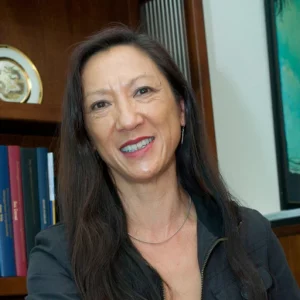
My Journey Through the Labyrinths of Gambling: A Research Autobiography
My name is Nerilee Hing, and for the past three decades, my professional life has been inextricably linked to the study of one of Australia’s most complex social phenomena – gambling. As I write these words, I look back on the path that led me from the academic corridors of New South Wales to the heights of international addiction science. My work has never been just about numbers; it has been about understanding human behavior, the impact of marketing, and building a safer environment for millions of players.
Early Years and Academic Foundations
My adventure with science began at Southern Cross University (SCU) in Lismore. It was there, in the heart of regional Australia, that I began to perceive how deeply gambling is rooted in our culture. My early interests revolved around tourism and hospitality management, which naturally led me to the club and casino sector.
However, I quickly realized that the commercial aspects were just the tip of the iceberg. I was fascinated by why people play, how technology changes their habits, and what mechanisms cause entertainment to turn into tragedy. Obtaining a PhD was a milestone that allowed me to fully engage in rigorous empirical research. My doctoral dissertation focused on responsible gambling practices in clubs, which became the foundation for my further specialization.
| Period | Institution | Position / Role | Key Achievements |
|---|---|---|---|
| 1995 – 2016 | Southern Cross University | Professor / Director of Centre for Gambling Education | Establishment of one of the first gambling research centers in AU. |
| 2016 – Present | CQUniversity (Experimental Gambling Laboratory) | Research Professor | Leading nationwide research on the impact of advertising on sports betting. |
Research Mission: Responsible Gaming and Harm Minimization
My philosophy as a researcher has always been based on independence. In a world where the gambling industry holds immense influence, my mission was to provide evidence that serves the public good. I focused on three main pillars: gambling marketing, vulnerable groups, and the impact of digital technology.
One of my most significant contributions to science was examining how sports betting advertisements affect children and young adults. In Australia, where sport is almost a religion, the line between fandom and gambling began to blur. My research helped policymakers understand that the ubiquity of “betting” marketing normalizes gambling in the eyes of the next generation.
I also worked extensively on the stigmatization of people with gambling problems. I noticed that shame is the greatest barrier to seeking help. Through my projects, I aimed to show that addiction is a public health issue, rather than a character flaw.
Work at CQUniversity and Breakthrough Projects
The transition to CQUniversity (Central Queensland University) allowed me to collaborate with eminent experts within the Experimental Gambling Laboratory. It was here, equipped with advanced analytical tools, that we began to implement projects on a national scale.
We analyzed the impact of “pokies” (gaming machines), which are a plague in many Australian suburbs. My research on self-exclusion systems led to the improvement of processes through which at-risk individuals can more effectively protect themselves from impulsive play. I collaborated with organizations such as the Victorian Responsible Gambling Foundation and the NSW Office of Responsible Gambling, which allowed me to translate theory into real legislative changes.
| Selected Publications and Reports | Subject Matter | Link (No-Follow) |
|---|---|---|
| Sports Betting Marketing and Advertising | The impact of sports marketing on youth. | See GREO Database |
| Stigma and Problem Gambling | Psychological barriers in addiction treatment. | Google Scholar Profile |
| Mobile Gambling Trends | Analysis of gambling via smartphones. | ResearchGate Profile |
My Legacy and the Future of Research
I am often asked what I consider my greatest success. I reply then that it is not the awards, but the fact that the gambling debate in Australia today is much more mature than it was 30 years ago. As a researcher, I have published hundreds of articles in prestigious journals, such as Journal of Gambling Studies or International Gambling Studies, but it is the changes in government policy to which I contributed that give me the most satisfaction.
Currently, I am focusing on researching “hidden gambling” in video games (loot boxes) and how cryptocurrencies are changing the dynamics of online betting. The gambling world does not stand still – it evolves faster than the law, which is why my role is to stay ahead of these trends and warn of dangers before they become social crises.
A scientist’s work is a marathon. It requires patience, resilience to criticism, and an unwavering belief that knowledge can change the world for the better. My journey continues, and the CQUniversity laboratory remains a place where answers to the most difficult questions regarding human nature and risk are born.
Key Stages of Professional Career
Over the years, my professional path has been dynamic. The table below illustrates my evolution from a young researcher to a professor of international renown.
| Position | Main Tasks | Impact on the Sector |
|---|---|---|
| Lecturer (SCU) | Teaching hospitality and club management. | Educating future casino management cadres in the spirit of responsibility. |
| Director of Gambling Research (SCU) | Managing large government grants. | Creation of ethical standards for state-funded research. |
| Research Professor (CQUniversity) | Lead researcher in the Experimental Gambling Lab. | Introduction of innovative experimental methods to addiction research. |
In conclusion, my work is a constant struggle for balance between the individual’s right to entertainment and society’s obligation to protect the most vulnerable. As Nerilee Hing, researcher and citizen, I hope that my publications will serve as a roadmap for a safer future in a world dominated by screens and betting.